Siding is your home's first line of defense against everything the Tennessee Valley throws at it: humid summers, heavy rain, wind, and the occasional hailstorm. It also sets the entire tone for your curb appeal. Choosing the right material is a decision you'll live with for decades, so it's worth getting right.
Here's how the materials we install most compare for homes in the Chattanooga area, and what to weigh before you decide.
Fiber cement: the local favorite
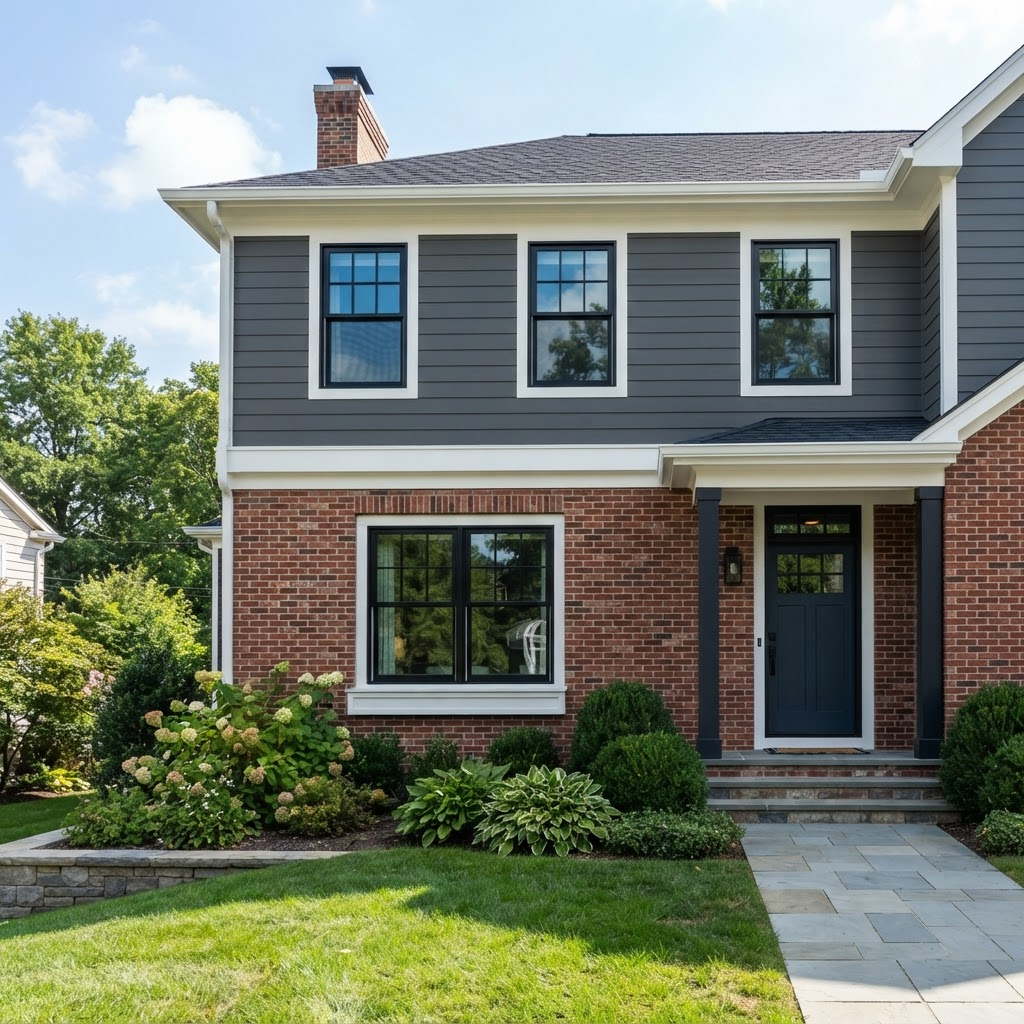
Fiber cement is the material we recommend most for our climate. It resists rot, warping, fire, and pests, and it holds paint far longer than wood. In a region with this much humidity and temperature swing, that durability pays off. It costs more up front than vinyl, but the long-term value is hard to beat.
Engineered wood and LP SmartSide
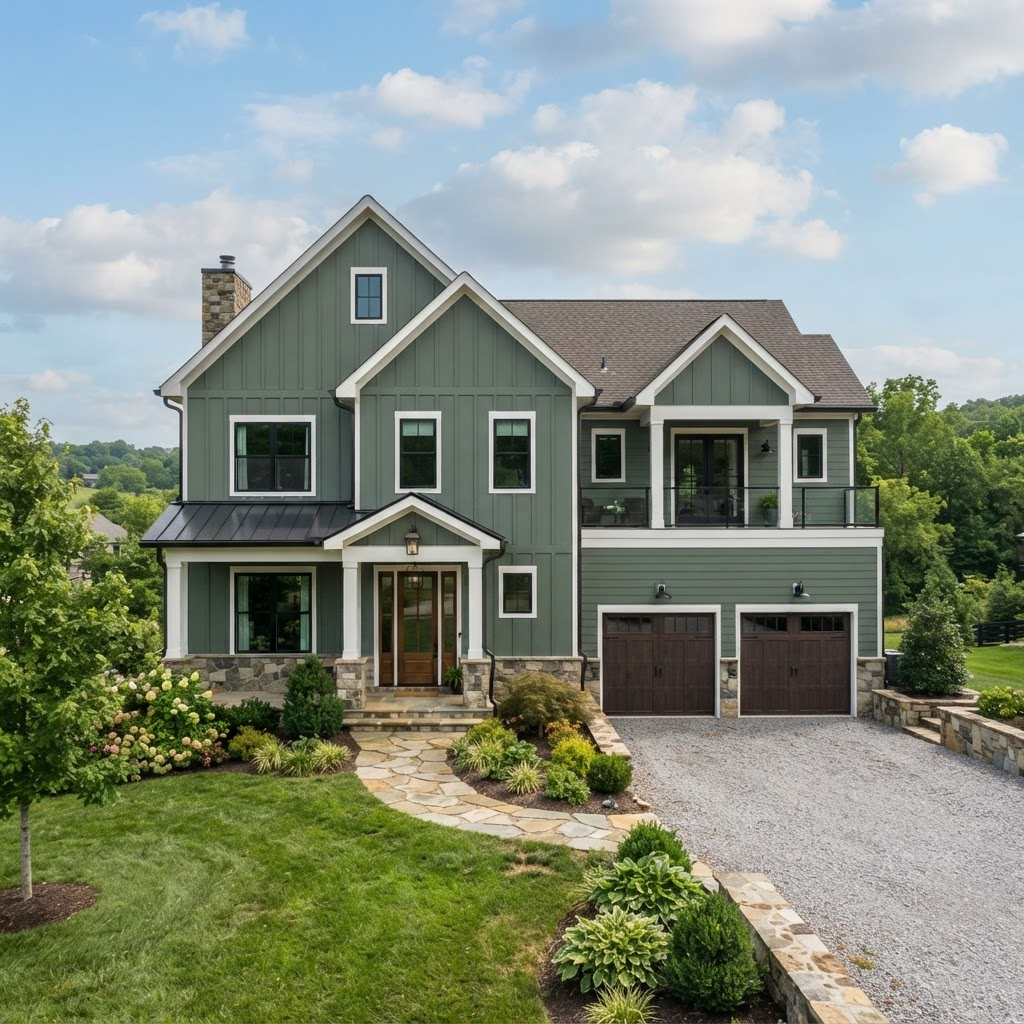
Engineered wood gives you a warm, real-wood look that's lighter and easier to install than fiber cement. LP SmartSide is a strong engineered option that stands up well to impact and hail. Both sit in the moderate price range and are solid mid-tier choices when you want a premium look without the top-tier cost.
Vinyl: budget-friendly and low-maintenance
Quality vinyl still makes sense on a tighter budget. It's the most affordable option, never needs repainting, and today's premium vinyl looks far better than the builder-grade panels of years past. It won't last quite as long as fiber cement, but it's a practical, low-maintenance choice.
What actually matters when you choose
- Moisture and rot resistance for our humidity
- How much maintenance you're willing to do
- Impact resistance for wind and hail exposure
- The look and color you want for your home
- Your budget, both up front and long term
The bottom line
There's no single best siding, only the best fit for your home, exposure, and budget. The most important factor isn't just the material you pick, it's the quality of the installation behind it: proper house wrap, flashing, and tear-off to inspect what's underneath. That's what keeps water out for the long haul.